Learn about the Crucial Functions Offered by a CG Contractor for Your Upcoming Venture
In the world of development, a commercial general contractor is fundamental in guaranteeing successful projects. Their services encompass extensive project management, budgeting, and coordination of various stakeholders. This knowledge base not only streamlines operations but also handles regulatory adherence and quality assurance - Hickory top rated Commercial General Contractor. Grasping these crucial offerings can notably impact the project's final result. What specific benefits can a construction manager bring to your next venture?
Detailed Project Administration
Detailed project administration is essential for the smooth completion of construction projects. It involves a organized strategy that covers planning, coordination, and oversight of a job from inception to completion. A commercial general contractor is critical in this process, making certain that all project components align with the client's vision and regulatory requirements.
Effective project management means establishing project scopes, timelines, and deliverables while maintaining clear communication among stakeholders. The contractor coordinates subcontractors, manages resources, and oversees quality assurance to ensure the project conforms to established specifications. In addition, a detailed project management strategy includes risk management strategies to recognize risks promptly and develop mitigation plans.
In the end, effective oversight fosters collaboration, streamlines processes, and enhances the likelihood of completing a build on time and according to the set parameters, thus increasing client satisfaction and successful outcomes.
Financial Planning and Cost Management
Successful project oversight requires the need for strict financial planning and expenditure management. A construction manager plays a pivotal role in setting up a defined budget structure for a project. This includes thorough budget forecasting based on project specifications, labor, materials, and tools. By spotting monetary risks promptly, the contractor can execute methods to reduce these risks, ensuring that the project stays on target financially.
In addition, regular review of costs throughout the project lifecycle is essential. The firm employs various techniques to track costs against the budget, enabling proactive adjustments if required. This disciplined process is key to preventing cost overruns but also enhances financial accountability for every stakeholder. Crucially, good budgeting and expense control create a clear fiscal atmosphere, enabling well-grounded decisions and proper resource deployment, a factor essential for the successful delivery of any building endeavor.
Liaising with Subcontractors and Vendors
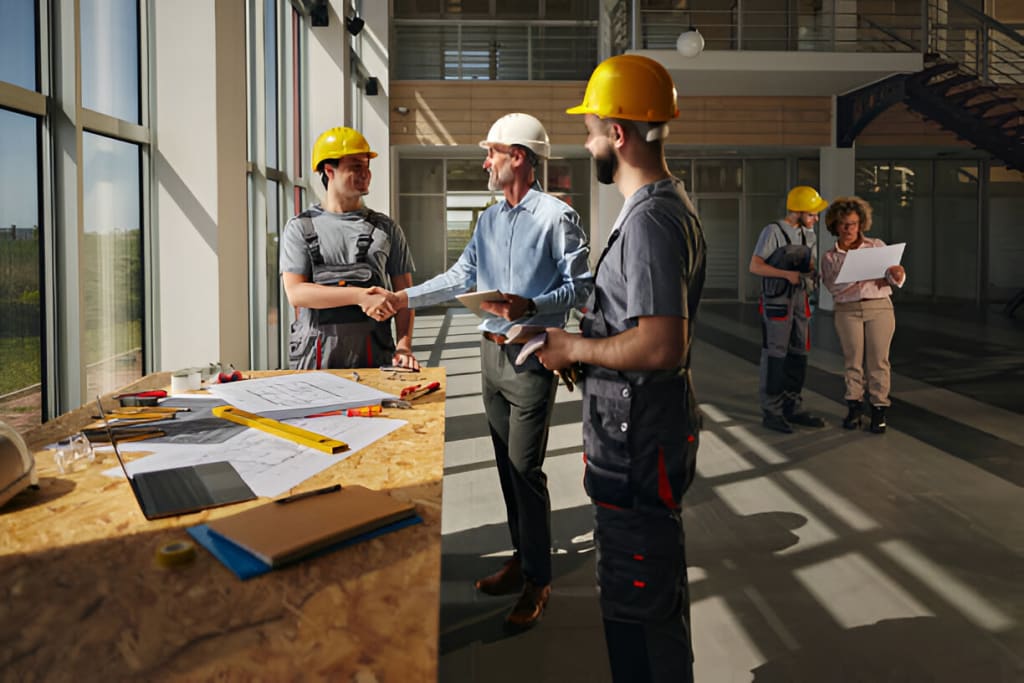
In the course of construction read now management, effective liaison with suppliers and subs is vital for keeping the workflow efficient and meeting deadlines. A commercial general contractor is instrumental in orchestrating these relationships, making sure every party is in sync with the project schedule and deliverables. Open dialogue between the general contractor, suppliers, and subcontractors is vital to mitigate delays and avert costly errors.
The contractor manages the planning of subcontractor work sequences, a process that optimizes operations and maximize resource deployment. Additionally, they manage the procurement of materials from suppliers, guaranteeing resources are supplied on time and within budget. Through the management of these key relationships, the contractor can rapidly handle any arising complications, leading to a more seamless construction process. Crucially, this management not only enhances project efficiency but also ensures the ultimate success of the construction endeavor, making sure all elements integrate smoothly.
Adherence to Building Codes and Regulations
Ensuring compliance with building codes and regulations is a core duty of a commercial general contractor, since not following these rules can lead to significant legal and financial repercussions. A commercial general contractor must possess a thorough understanding of local, state, and federal regulations that pertain to construction work. Their specialized skill permits them to navigate complex legal frameworks, guaranteeing that all elements of the job—from concept to build-out—meet required standards.
Additionally, contractors often work closely with engineers, architects, and governing agencies to verify that plans and specifications align with code requirements. Through routine assessments and inspections, the contractor can spot potential non-compliance quickly, reducing risks and preventing expensive holdups. In the end, a firm dedication to following regulations does more than just protect the GC's standing but also secures the client's best interests, making sure projects finish successfully and without undue difficulty.
Ensuring Quality and Monitoring Safety
Ensuring quality and managing safety form vital parts of a commercial general contractor's role, which directly affects the integrity and success of construction projects. These elements make certain that all work abides by defined specifications
A professional builder implements rigorous inspection processes to verify that materials and workmanship match up with project specifications - Hickory top rated Commercial General Contractor. Regular site evaluations take place to spot potential dangers and enforce safety protocols among workers. This preventative method shields employees but also avoids expensive hold-ups and rework due to safety incidents or quality issues
Moreover, effective communication between the contractor, subcontractors, and suppliers is essential in maintaining high standards throughout the project lifecycle. By prioritizing quality assurance and safety oversight, a commercial general contractor cultivates responsibility, which helps ensure the successful completion of projects on time and cost-effectively
Frequently Asked Questions
What Types of Projects Can a Commercial General Contractor Manage?
A commercial general contractor can undertake many types of projects, including office buildings, retail spaces, warehouses, industrial facilities, remodeling jobs, and new constructions. They handle the full scope of work, guaranteeing quality, compliance, and on-time delivery of each project.
How Do I Choose the Right Commercial General Contractor?

To pick the best commercial general contractor, one should review their expertise, contact previous clients, gauge their financial health, compare project portfolios, and guarantee clear communication. A careful vetting process can lead to successful project outcomes.
What Happens During the Initial Consultation?
During the initial consultation, clients can expect discussions about project objectives, timelines, financial forecasts, and what the contractor offers. This meeting provides a starting point for creating shared comprehension and setting clear expectations between the client and contractor.
How Do Contractors Manage Project Timelines Effectively?
Contractors effectively manage project timelines by utilizing detailed planning, establishing specific targets, synchronizing calendars, and keeping communication flowing with all stakeholders. They also reallocate resources as required to ensure the project finishes on time and mitigate potential delays.
Why Hire a General Contractor Versus DIY?
Engaging a general contractor furnishes specialized knowledge, project management, and a connection with a network of qualified experts. This secures high-quality results, timely completion, and compliance with regulations, ultimately reducing stress and potential costly mistakes versus taking the do-it-yourself route.